Eid-e-Miladunnabi: Advent and demise of Prophet Muhammad
Aminul || risingbd.com
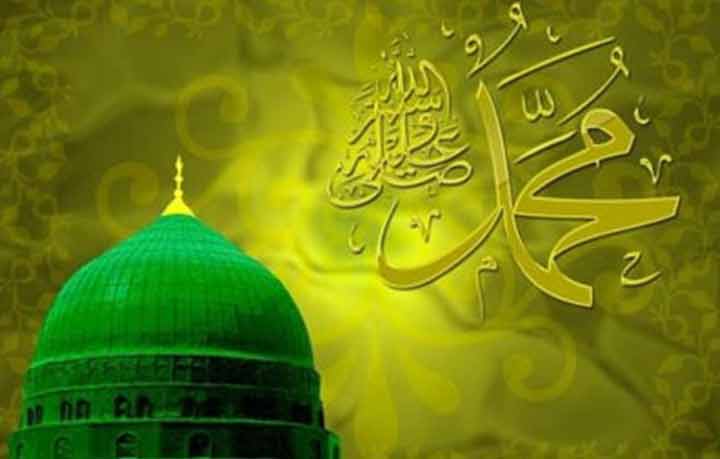
Aminul Islam: Eid-e-Miladunnabi is here and it is time to celebrate and take lesson too. It is time to remember the teachings of the Prophet and follow the mission the Prophet dedicated all his life.
The Muslims in Bangladesh and elsewhere across the world will observe the Holy Eid-e-Miladunnabi today (Sunday) commemorating the birth of Great Prophet Hazrat Muhammad (Peace Be Upon Him).
Prophet Muhammad (SM) was born in Mecca on this day, the 12th of Rabiul Awal of Hijri calendar, 1,441 years ago to preach the message of peace for mankind. He also passed away on the same day in 632 AD.
The tradition of celebrating the Holy Prophet`s birthday on a large scale began in Egypt by the Prophet`s descendants, through his daughter Fatima. It was celebrated mainly by religious scholars and religious establishments. They gathered to hear sermons, distributed sweets, alms and particularly honey, the Prophet`s favourite.
Maulid
Eid-e-Milad is also called Maulid, since it is Prophet Muhammed`s Eid and the song sung in praise of the Prophet`s birth is called a Maulud. From the Middle Ages, it was believed that, listening to the recitation of Maulud has not only worldly but heavenly rewards too.
Barah Wafat
This festival is also referred to as, `Barah Wafat` which stands for the twelve days of sickness of the Prophet, before he passed away. The day is for both mourning and celebrating. The Sunni sect and the Shia sect have a different take on the ways of celebrating of this day.
Celebrations by Shia Muslims
Shia Muslims celebrate this day to remember that Prophet Muhammed chose Hazrat Ali as his successor at Gadhir-e-Khumm. This occasion symbolises the Habillah (the chain of imamat or the next leader). Eid-e-Milad and Eid-al-Gadhir are two names for marking the same day, for two different reasons.
Eid-e-Milad or Eid-e-Milad-un-Nabi - This name is used to mark the Prophet`s birth and death anniversary.
Eid-al-Gadhir - This name is used to mark the handing over of the spiritual rein to Hazrat Ali at Gadhir-e-Khumm. (The route between Syria and Yemen)
On this day, believers gather to recite special prayers for thanksgiving to Allah for his favours and sending Prophet Muhammed to the world, with his message to guide the people. People attend lectures and recitations on the Life and Instructions of the Holy Prophet. Poetry or Naats are recited after prayers and sweets are distributed amongst the poor.
Shia Muslims also mourn on this day as it is also the day when the Holy Prophet passed away.
Bohra Muslims, a part of the Shia sect, too celebrate the twelve days of Rabi-ul-Awwal with prayers and by listening to recitals. Prayers are conducted in mosques for all twelve days. Many Bohras perform Zyarat (a form of prayer that is performed as a meeting with the one you are praying to).
Celebrations by Sunni Muslims
Prayers are held throughout the month. On the twelfth day of the month Muslims remember the Holy Prophet and his teachings. Mourning on this day is not practiced at all because according the Sunni Muslims believe that mourning for the dead beyond three days hurts the departed soul.
In India, people carry out processions chanting praises of the Holy Prophet and Imam Hazrat Ali. These processions are decorated with fruits, flowers or even scenes depicting religious sites, episodes and figures. The sweet dish `Kheer` (sweet porridge made of rice) is prepared as a tradition in Muslim homes.
Whereas in Saudi Arabia prayers are held, sweets are prepared and the Prophet is remembered through his words.
The `Urs` or `Sandal`
This ceremony, performed in some parts of Bangladesh and India, is nothing but a procession. The Prophet`s symbolic representation is placed in a glass casket and carried out as a procession.
The symbolic footprints of the Holy Prophet engraved in stone, a representation of the buraq and the horse, which are believed to have ascended to the heaven with the Prophet, are kept near the footprints and anointed with sandal paste. The glass casket is elaborately decorated. Marsiyas and elegies are sung while the procession is carrying on. This ceremony is the `Urs` or `Sandal`
What do people do?
Those who observe Eid-e-Miladunnabi gatherings remember, discuss and celebrate the advent of the Prophet Muhammad`s birth and his teachings. Some people send Eid-e-Miladunnabi e-cards to friends and family. Many Sunni Muslims celebrate this event on the 12th of the Islamic month of Rabi` al-awwal, while the Shi`a community celebrates it on the 17th of Rabi` al-awwal.
Many activities include:
01. Night-long prayer meetings.
02. Marches and parades involving large crowds.
03. Sandal rites over the symbolic footprints of the Prophet Muhammad.
04. Festive banners and bunting on and in homes, mosques and other buildings.
05. Communal meals in mosques and other community buildings.
06. Meetings to listen to stories and poems (nats) about Mohammad`s life, deeds and teachings.
07. Exhibitions featuring photos of mosques in the holy cities of Mecca and Medina in Saudi Arabia.
Many people carry green flags or banners or wear green ribbons or items of clothing when taking part in these events. The color green represents Islam and paradise. Thousands of people attend prayers at the shrine across the world on the night before Miladunnabi. The relic is displayed in the mosque after the morning prayers.
In Bangladesh
The government as well as various religious, socio-political and cultural organisations have chalked out programmes in the capital and elsewhere in the country marking the day.
Bangladesh Television, Bangladesh Betar and private television channels as well as radio stations will air special programmes, while newspapers will publish supplements highlighting the significance of the day.
On the occasion, President Abdul Hamid, Prime Minister Sheikh Hasina, Opposition Leader Raushon Ershad and BNP chairperson Khaleda Zia issued separate messages greeting the countrymen and Muslims across the world.
Different Islamic organisations will take out peaceful processions carrying banners inscribed with “Kalema Taiyeba” in the capital Dhaka as elsewhere across the country and arrange competitions on Quran recitation and exhibitions of religious books.
Islamic Foundation Bangladesh will organise various programmes highlighting the significance of the day.
Public life
Eid-e-Miladunnabi is a public holiday in Bangladesh. So, government offices, post offices and banks are closed on the day. Islamic stores, businesses and other organizations may be closed or have reduced opening hours.
Large prayer meetings, parades and marches may cause local disruption to traffic. This is particularly true of areas of Islamic states with a predominantly Muslim population.
risingbd/Jan 04, 2014/Aminul
risingbd.com